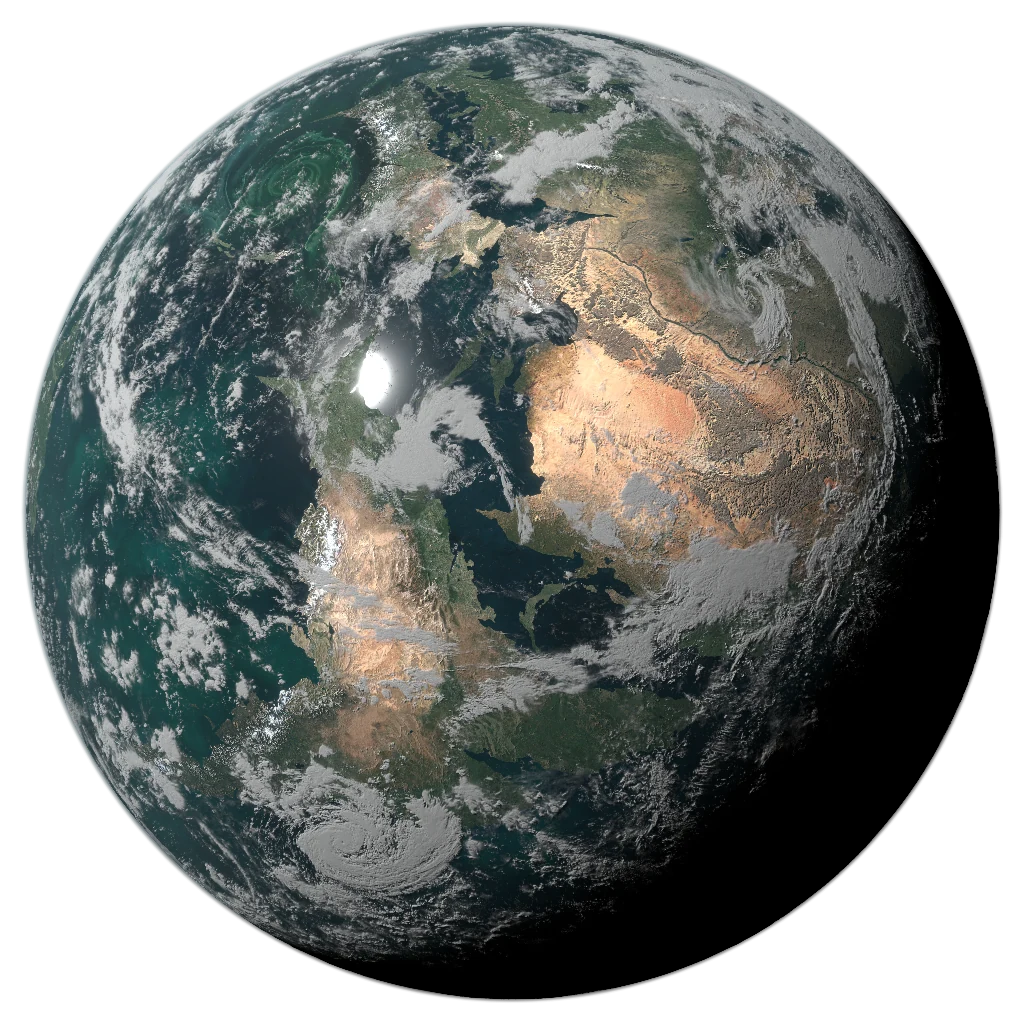
In an era marked by the throes of industrial revolution, trench warfare and the cacophony of clanking mechanical machines define the landscape. The world is shrouded in billowing black smoke, the grim aftermath of ceaseless industry. Chemical weapons proliferate, armoured machines dominate the battlefield and generations are born into wars their grandparents failed to finish.
Walled factory citiesTrench generationsMeasured ResonanceChemical war
The Industrial Revolution reshapes every facet of human life. Railways bind nations to coal basins and munitions markets; factory cities breathe through forests of chimneys; bolt-action rifles, artillery and armoured machines turn distance into a calculation of range and production. The weapons of humankind bear down upon Myrkild hordes with relentless industrial might, yet every victory leaves poisoned soil, ruined lungs and another demand for steel.
Classism remains rife, hardened by a long detestation of Resonance. Politics, pacts and manipulation keep the wealthy in power while Resonants are conscripted by default, regardless of age, and sent to the front to bolster ordinary soldiers. The crucible of industrialisation has altered the nature of warfare forever; the price of progress is etched into the blood and anguish of those made to operate it.
Enough context to enter the era without front-loading the encyclopaedia.
People & power
The city is a machine, and most people are parts.
Factory owners, ministries, officer corps and railway combines decide who receives fuel, medicine, shelter and protection. Workers can halt the machinery through collective action, but lockouts and armed repression make every strike a contest over whether the city serves its people or consumes them.
Resonance is still feared, but it is no longer left solely to priests, folklore and inherited practice. Laboratories standardise meters, militaries classify useful manifestations and governments turn Resonants into regulated labour, weapons and public hazards.
Humanity industrialises danger before it understands it.
Myrkild incursions, human rivalries and Resonant accidents are fought with the same machinery. Gas shells, sealed trains and mobile armour can destroy an outbreak, but contamination and altered survivors may remain long after official maps declare the ground secure.
Powers of the age
The banners that shape SMOG
The powers shaping SMOG are not only nations. Industry, labour and the institutions that control Resonance can command armies, starve cities or stop an entire front.
Industrial governments
States bound together and divided by coal basins, railway gauges, munitions markets and the need to keep mass war supplied.
Furnace combines
Owners and industrial syndicates whose control of fuel, steel and housing allows private production decisions to become public law.
Labour unions
Workers organised across adjoining stacks, rail yards and foundries, capable of halting the machinery upon which both city and army depend.
Resonant corps
Conscripted specialists deployed as battlefield assets, industrial tools and living countermeasures against phenomena conventional weapons cannot contain.
What people know
The world is understood from inside the century.
Each age interprets its evidence through the institutions, instruments and fears it possesses. Greater visibility does not guarantee a complete explanation.
Observed
Resonance can be measured. Myrkild can be destroyed by concentrated industrial force. Smoke, metal dust and occult contamination can combine into new disasters.
Classified
Ministries sort incidents into tables, threat grades and production losses. A phenomenon becomes legible to the state when it can be numbered, assigned and budgeted.
Denied
Official reports routinely bury altered survivors, failed experiments and civilian casualties beneath the language of accident, sabotage or necessary wartime expenditure.
The record of the age
History is stamped into steel, lungs and casualty ledgers.
The timeline below follows the accords, strikes, disasters, inventions and wars that make SMOG possible. Its records are more numerous than CITADEL's, but quantity does not make them honest.
Chronological list
This list remains available when the interactive timeline cannot run.