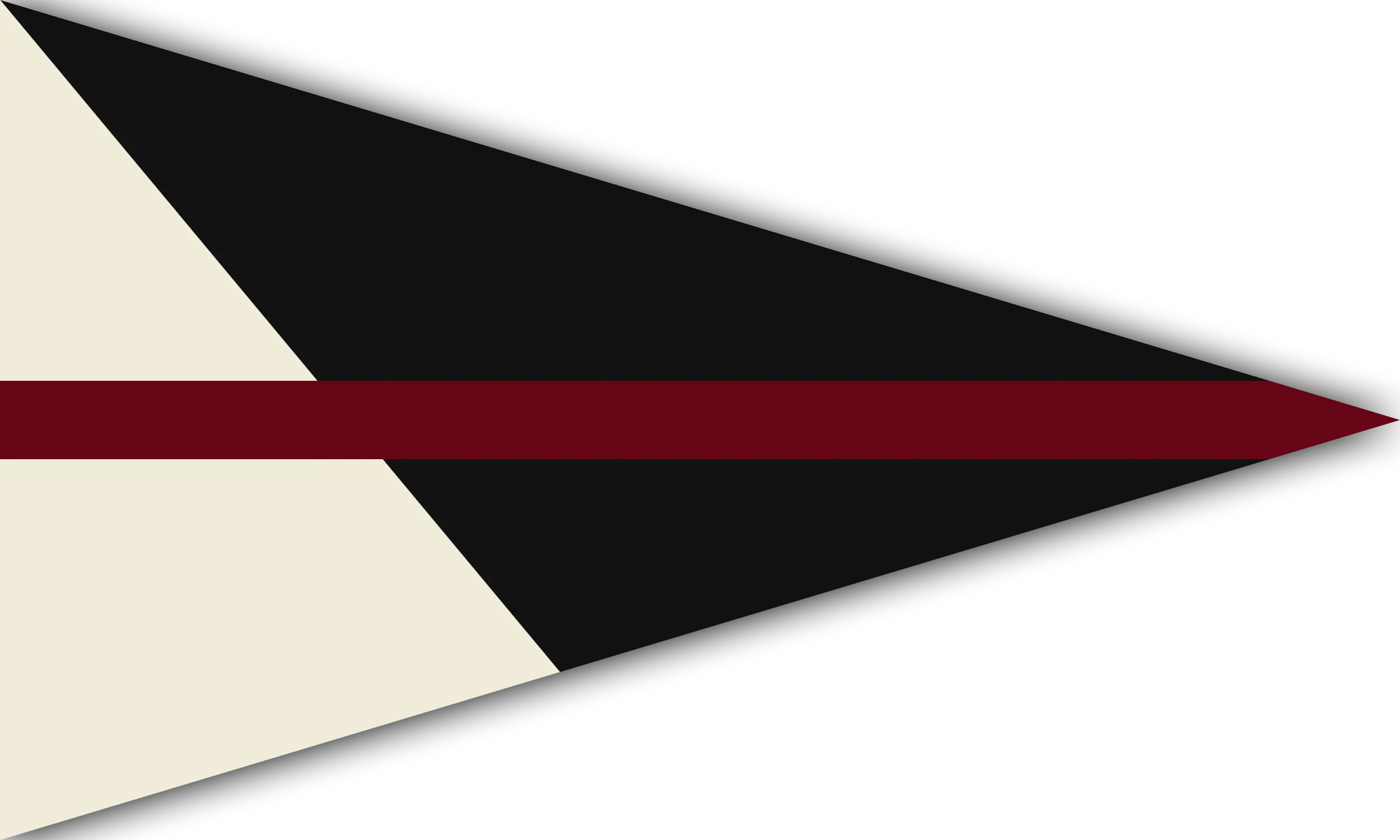
Okse Dominion
12 min read
Content notes
This article is a work in progress.
Iron roots, blood fruit. The Okse Dominion does not wait to learn what will kill it. It braces first. Across the Halvmane Mountains, the Oksmun have taken an old Vetruxi virtue - endurance - and built walls, armies, mines and laws around it until survival became something that could be counted, stocked, guarded and forced from somebody else’s back.
They are still fishers, farmers, herders, smiths, sailors and families huddled around timber halls while shit weather rattles the roof. They still raid. They still sing old songs, carve bone charms and wear black and gold. The difference is what grew around them: stone where timber once sufficed, oil where tallow once burned, registries where a Jarl once relied on memory, and an industrial appetite that has learned the value of every captive pair of hands.
Hardy meals, shit weather, thick skin and a cultural pressure to get back up again and again.
— Common description of the Oksmun
A Dominion of Several Weathers
Section titled “A Dominion of Several Weathers”There is no single Okse landscape, only several varieties of inconvenience. The highlands rise into tundra and sheer mountain country; elsewhere temperate rainforest crowds the stone, deciduous woodland gives way to conifer, and rivers bind inland settlements to the coast. Snow buries one road while rain turns another to sucking mud. Oksmun have opinions about which is worse. Those opinions are usually loud.
At Aldaness, the Sverd trölla gulf brings foreign crews, salt, seafood and enough trade to soften some of the Dominion’s suspicion of outsiders. Music and drink spill around a city still watched by Aldaborg fortress, patrol boats and pyres kept for things that do not stay dead politely. Far inland, Hjalliberg sits between three mountains where tundra stands within reach of temperate rainforest; game, furs and wood make a different kind of Oksmun wealth. South of Valenheim, Vagrvik crowds two rivers and the Issvatn carries trade north. On the western gulf, Strondverdir watches the approaches toward Askal from beneath the coastal mountains.
They do not all live like Valenheimers. A fisher in Aldaness, a hunter outside Hjalliberg and a labourer in a Valenheim oil yard may share gods, colours, kinship and the same irritating belief that everyone else complains too much; their days still smell different. Fish guts and salt. Wet bark and blood. Hot iron, oil and old snow.
What survives
Section titled “What survives”The Oksmun praise stamina and endurance above almost everything else. That does not make every Oksmun a warrior. It makes warrior virtues hard to keep out of ordinary life. A roof is good if it survives winter. A blade is good if it still takes an edge after abuse. A worker earns respect by finishing the job. A child who falls is expected to get back up before somebody turns sympathy into mockery.
Coarse wool, pelts and oil-darkened leather answer the weather; bone charms and runes answer older fears. Black and gold remain recognisable Oksmun colours, while their architecture favours straight lines, sharp triangles and thick walls. Even a settlement built mostly from wood can carry the Dominion’s newer instincts in one black-stone watchtower, a reinforced bridge or a storehouse built as if grain itself might attempt a siege.
Iron Roots
Section titled “Iron Roots”The Dominion began with a family fracture. Ralof Gullhyrndr, golden-horned son of Torrad Uxifadir and commander of the Vetruxi Kingdom’s armies, took the militaristic lesson from his father’s realm and pushed it further. Fortify. Arm yourself. Do not depend on imported ore or another ruler’s goodwill. Whatever comes next, be ready before it arrives.
His younger brother Asgrim Torradsson chose differently. The Krass Dominion turned inward, holding tighter to local land, older traditions and a less centralised inheritance of Vetruxi life. To Oksmun eyes, the Krass chose the easier path. To Krassians, the Okse mistook hardship for virtue and then built a government to enforce it.
History has been rude enough to give both sides ammunition. The Krass preserved ways of life the Okse increasingly subordinated to defence and industry. The Okse built the kind of military strength their sister Dominion later needed when the Udumans invaded. Oksmun do not forget that part. Krassians rarely forget the price attached to the lesson.
Both Dominions still refuse the titles of Kóngr and Dróttning in reverence for Torrad, remembered as the Ox-Father and Kóngr Eilífr. Blood, history and mutual need keep the sisters close even when their philosophies grind against one another.
Hard People, Uneven Lives
Section titled “Hard People, Uneven Lives”Oksmun culture can look simple from outside: scars, pelts, bone charms, dark steel, thick walls. It is not. A wealthy coastal trader in Aldaness may share a table with foreigners and still hang ancestral charms over the door. A rural household may know little of Valenheim’s oil politics but understand exactly which Jarl can demand men, boats or stores. A smith may never own a Thrall and still work iron mined by one.
The Dominion’s authority is strongest where survival can be made administrative. Mines, roads, passes, ports, forges and fortresses accumulate overseers, guards and rules because each can be described as necessary. Oksmun are not uniquely obedient people; they are people raised in a culture where preparedness has moral weight. That makes coercion easier to defend when it wears the clothes of duty.
There is warmth here too, because otherwise nobody would bother defending any of it. Families pack halls around food heavy enough to survive the weather. Mead, music and argument fill nights that start too early in winter. Coastal pyres guide sailors home. Hunters return with fur and meat. Somebody always insists the younger generation has gone soft. Somebody younger usually waits until they turn around before calling them an old cunt.
Submit, and serve
Section titled “Submit, and serve”In the shadow of the Halvmane Mountains, a Thrall wipes oil from his brow, the sweet, burnt-charcoal reek clinging to his skin. Above, overseers chant the old prayers, bone charms rattling in the wind. Each swing of the pickaxe sends shudders through his arms, each breath a struggle against the stifling, tar-thick air. He dreams of snow and silence, but the Dominion’s hunger is endless, and the oil must flow.
The Okse still raid and pillage for labour as their ancestors raided for wealth, cattle, prestige and captives. Industrialisation did not erase the old practice; it gave the state more places to put the people dragged home.
Thralls and Ambátts work the oil pits, mines and forges, marked by masters who may call the system necessity long after necessity has become profit. Some are raised to Leysingi and find freedom does not scrub the mine from a person’s face or other people’s memory. The Dominion’s ugliest habit is not simply cruelty. It is its talent for making cruelty sound practical.
Rauthrbak Min is that argument given stone walls. Prison, mine, forge and place of punishment fold together inside the Halvmane Mountains until confinement and production are difficult to separate. Its harsher traditions have attracted people who enjoy suffering for reasons far less defensible than state necessity, but the Dominion does not need every overseer to be a sadist. The machine works perfectly well with men who think they are doing their duty.
Black Gold
Section titled “Black Gold”Oil arrived in a culture already obsessed with self-sufficiency and found itself immediately useful. It treats weapons and armour against rust, feeds lamps through long winters, supplies industry and powers specialised fire-weapons. In a wetter settlement it keeps metal from rotting. In a forge it extends what can be done. In a harbour it fills barrels where old raiding holds once expected plunder.
The visual change is easy to romanticise: darkened steel, black smoke, steady lamps, longboats heavy with trade. The social change is uglier. Oil pulls labour toward dangerous extraction, deepens the Dominion’s appetite for slaves and makes places such as Rauthrbak economically harder to condemn. New deposits promise security, wealth and military advantage, so exploration keeps moving into terrain where the cheapest person to lose is usually the person already in chains.
The Oksmun did not stop using whale, pork and beef fat. They did what they usually do: kept the old thing, added the useful new thing, and then built a system around both.
Major exports
Section titled “Major exports”Ore and ingots. Mines and metalworks make raw and worked metal one of the Dominion’s most guarded sources of wealth.
Arms and armour. Oksmun-made equipment carries a reputation for hard use, darkened steel and the same preference for durability that shapes their walls.
Structural engineers. The people who make the Dominion so difficult to invade have discovered that foreign rulers will pay extremely well to borrow the talent.
Oil. Increasingly important to lighting, metalwork, industry and war — and increasingly difficult to separate from the coerced labour that extracts it.
The contradiction is difficult to miss: the Dominion prides itself on self-sufficiency while depending heavily on imported slave labour to feed the industry that makes that independence possible.
Power Under Seal
Section titled “Power Under Seal”Few Resonants emerge within the Dominion, but those who do are too useful to be left alone. Muld and Svar affinities are the clearest examples.
Muld sorcerers inherited the shadow of older architects and the structural expertise that helped make Oksmun engineering feared and expensive. The state response is brutally consistent: register them. A Muld Resonant who refuses — or whose family hides them — can face death. The Dominion admires what their hands can build and distrusts the fact those hands are not made of stone.
Svar Resonants receive more room to breathe because fire and heat sit comfortably beside forges, royal smiths and heavy industry. Less regulated does not mean free of suspicion. It means their usefulness is obvious enough that the state has fewer reasons to pretend otherwise.
In another culture, Resonance might mark someone as prophet, witch or wonder. The Okse are quite capable of all three reactions.
Then somebody arrives with a ledger.
Behind the Shield
Section titled “Behind the Shield”Oksmun warfare is easiest to understand by looking at the shield. Broad, angular and brutally practical, it assumes something awful is going to hit it and that the sensible response is to still be standing afterwards.
Kónungsson Erlend Nautleif commands a large standing force drawn from a hardy, militaristic population. Darkened steel and severe armour give the army its silhouette; gold, fur and cloth mark status without making rank look delicate. Juggernauts turn that weight into strategy. Some carry warbows large enough to loose arrows the size of a man’s forearm. Others serve as guardians, anchors and shock force. Scarce Resonants are held for threats important enough to justify them and often move with supporting foot soldiers or Juggernaut protection.
Oil extends the same philosophy into flame. Engineering extends it into fortification. Raiding extends it into labour and supply. An Oksmun army is dangerous not because every soldier is some frothing berserker, but because the culture behind him understands roads, walls, metal, stores and the miserable value of preparing before everybody else.
That power carries attitude with it. The Okse can look at the Krass and say, with some historical justification, that softer choices eventually required harder neighbours. The Krass can look back and ask whether a nation that survives by putting chains on other people has confused endurance with righteousness.
Faces of the Dominion
Section titled “Faces of the Dominion”The Dominion works best as a hub when its settlements are allowed to disagree with one another. Valenheim is not the entire Okse experience; it is the most concentrated expression of it.
Valenheim — The Dominion’s fortified heart, where black stone, river trade, Resonant engineering and industrial growth gather behind the Mestrvirki.
Rauthrbak Min — A mountain prison whose mines, forges and punishments make the Dominion’s habit of turning suffering into output difficult to ignore.
Vagrvik — A bustling city between two rivers, linked to Valenheim by the Issvatn and home to the Dominion’s largest port, Hofn Heillfranvagr.
Aldaness — A wealthy gulf settlement shaped by foreign trade, seafood, year-round beacon pyres and an openness outsiders do not always expect from the Okse.
Hjalliberg — An ancient mountainside city between three peaks, where nearby tundra and temperate rainforest supply game, fur and timber.
Strondverdir — A western-gulf city guarding approaches toward Askal, tied inland by a north-south road sheltered beneath the coastal mountains.
A Country That Bites Back
Section titled “A Country That Bites Back”The Dominion’s wildlife follows the same rule as its people: endure the climate or become somebody else’s meal. Thick-furred animals dominate the cold country. Highland cattle graze open slopes. Deer, wolves, bears and foxes haunt the wooded zones, while berries and fungi fill the softer ground beneath the trees. Sigdfugl hunt overhead. Whales, seals, pike and Elvormr turn the rivers and sea into their own contested territories.
Mammoths are the most Oksmun answer to the question of what to do with something enormous: tame it, armour the idea in military language and turn the beast into a living battering ram.
The Character of the Okse
Section titled “The Character of the Okse”Strip away the black steel and the oil smoke and the Oksmun are not complicated to understand. They hate being helpless.
Everything else follows from how far they are willing to go to avoid it. They build too thick, store too much, train too hard and distrust the useful thing they cannot control. They can be generous inside the hall and merciless beyond it; deeply loyal to family and perfectly capable of benefiting from another family’s chains. Their history gives them reasons for both pride and paranoia.
That is why the Dominion works best when it is neither romantic Viking hardiness nor faceless industrial cruelty. It is both, layered together. Timber villages and black-stone forts. Whale tallow and oil lamps. Raiders and clerks. Bone charms on armour designed by engineers. An old song sung in a forge that did not exist in the singer’s grandfather’s time.
They did not abandon what they were after the Vetruxi split.
They took it somewhere harsher.
Storyteller View
Section titled “Storyteller View”Recognisable presence
Section titled “Recognisable presence”Darkened steel, angular tower shields, coarse wool and pelts, bone charms and runic adornment make Oksmun military and cultural presence difficult to mistake; rank adds gold, fur and cloth.
Outsiders are most likely to encounter the Dominion through fortified settlements, mines and forges, military forces, or trade in ore, oil, arms and engineering expertise.
Current agenda
Section titled “Current agenda”The Dominion wants to preserve Oksmun defensive self-sufficiency while expanding the oil and mineral extraction that fuels its industry and military strength.
Growing dependence on oil extraction and imported slave labour drives continued exploration and harsher exploitation, while the Dominion’s isolationist character keeps self-sufficiency strategically important.
Preferred methods
Section titled “Preferred methods”Fortification, militarised industry, coercive labour, tightly controlled use of Muld Resonants and overwhelming organised force are recurring tools of Dominion power.
Resources and limits
Section titled “Resources and limits”The Dominion can draw on a large standing army, Juggernauts, scarce but strategically deployed Resonants, metalworking and oil industries, structural engineers, longboats and valuable exports.
Resonants remain few, imports are deliberately scarce outside the slave labour the economy relies upon, and the Dominion’s strength is closely tied to its harsh home terrain and industrial base.
Internal tensions
Section titled “Internal tensions”Oil wealth and industrial expansion deepen the divide between masters and enslaved labourers, while freed Leysingi occupy an uneasy position between bondage and full belonging.
Consequences of involvement
Section titled “Consequences of involvement”Involvement with Dominion trade, industry or authority can entangle outsiders in coerced labour, guarded resources, Resonant registration or the demands of a heavily militarised society.
Referenced by
2 recordsFactions
- Krass DominionCITADEL
Locations
- ValenheimCITADEL
References
2 recordsFactions
- Krass DominionCITADEL
Locations
- ValenheimCITADEL